1. What is the Everest Base Camp Trek?
The Everest Base Camp trek is one of the world’s most iconic high-altitude treks: a non-technical but physically demanding journey through Nepal’s Khumbu Valley from the lower foothills up to the base of the world’s tallest mountain. The classic route usually begins with a short flight to Lukla, then a multi-day walk through villages like Namche Bazaar, Tengboche, Dingboche, and Lobuche, before reaching Everest Base Camp and the nearby Kala Patthar viewpoint for sunrise summit views.
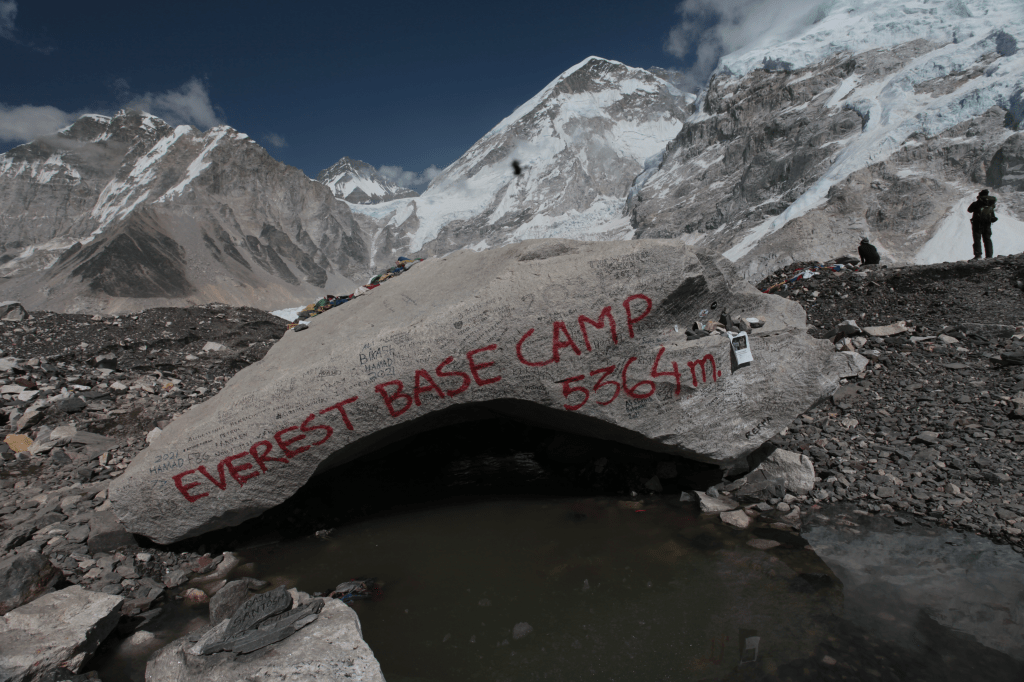
It’s a cultural journey (Sherpa villages and monasteries), a logistical challenge (early flights, permits, altitude), and ultimately a bucket-list test of physical and mental endurance.
2. Quick Comparison: Classic Route vs. Alternatives
| Route Variant | Typical Duration | Difficulty | Crowd Level | Best For | Key Tradeoffs |
|---|---|---|---|---|---|
| Classic Lukla → EBC (12 days) | 11–14 days (incl. Kathmandu) | Moderate–Hard | High (peak season) | First-timers at altitude | Straightforward, good acclimatization if paced |
| Classic + Gokyo Lakes (EBC + Gokyo) | 12–16 days | Hard | Medium | Stunning moraines & lakes | Longer, more climbing, alternative summit views |
| Three-Pass (Cho La + Renjo + Kongma La) | 14–18 days | Very Hard | Low–Medium | Expedition-style variety | High passes, technical trail sections, best views |
| Helicopter return option | 9–12 days | Moderate | Low (depends) | Time-pressed trekkers | Expensive but saves the return trek/flight risk |
| Guided vs Solo | — | — | — | — | Guides handle logistics & safety; solo is viable but requires planning |
(Note: durations count time on trail; add 2–3 days for international travel and buffer.)
3. Why Go Solo (and Why You Might Hire a Guide)
Solo advantages:
- Flexibility: set your pace, change plans, choose teahouses
- Lower operator cost (no mandatory tour package)
- Personal accomplishment and immersion
Solo challenges:
- You handle all logistics (Lukla flights, permits, teahouse booking in high season)
- Risk management rests on you (altitude decisions, emergency evacuation)
- Language/cultural friction and heavier mental load
When a guide is worth it:
- First time at high altitude or you’re risk averse
- Short on time (guides speed logistics)
- Want higher summit success probability and easier porter/teahouse management
- Comfort with guiding companies that know evacuation workflows
4. Permits, Paperwork & Flights (what you must arrange)
Required permits (typical)
- Sagarmatha National Park Permit — issued at Monjo/Namche or via agencies (essential)
- TIMS Card (Trekkers’ Information Management System) — used to track trekkers and enhance safety
- Local entry / conservation fees — some regions apply additional fees
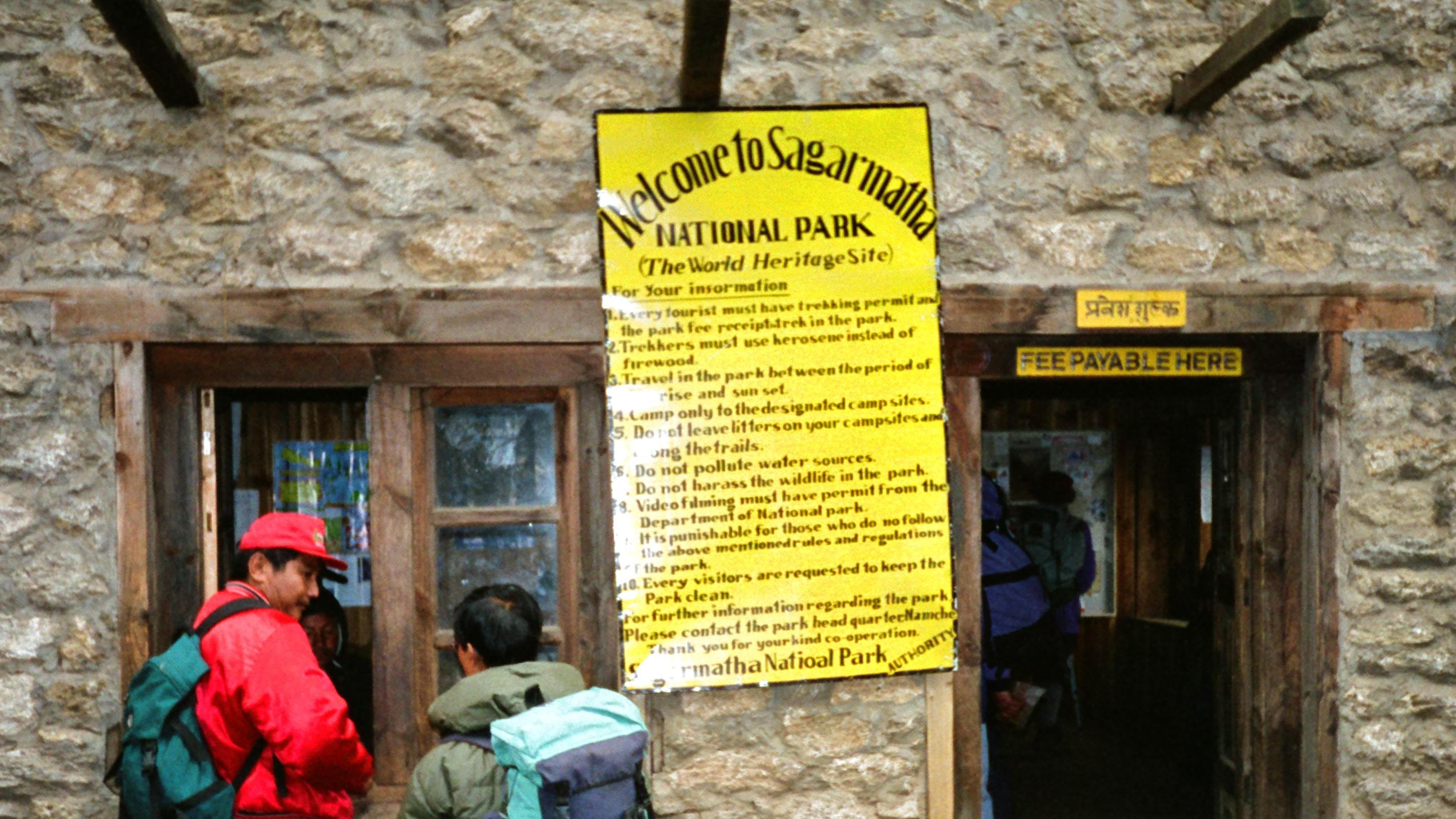
Practical note: Most guided operators include permits in their price. Solo trekkers must obtain TIMS and Park permits in Kathmandu (Tourism Office) or at Jiri/Lukla entry points — procedures vary by season. Check current rules before travel.
Lukla flights
- Lukla (Tenzing–Hillary) flight from Kathmandu is a short (30–40 min) but weather-dependent flight that often causes delays/cancellations.
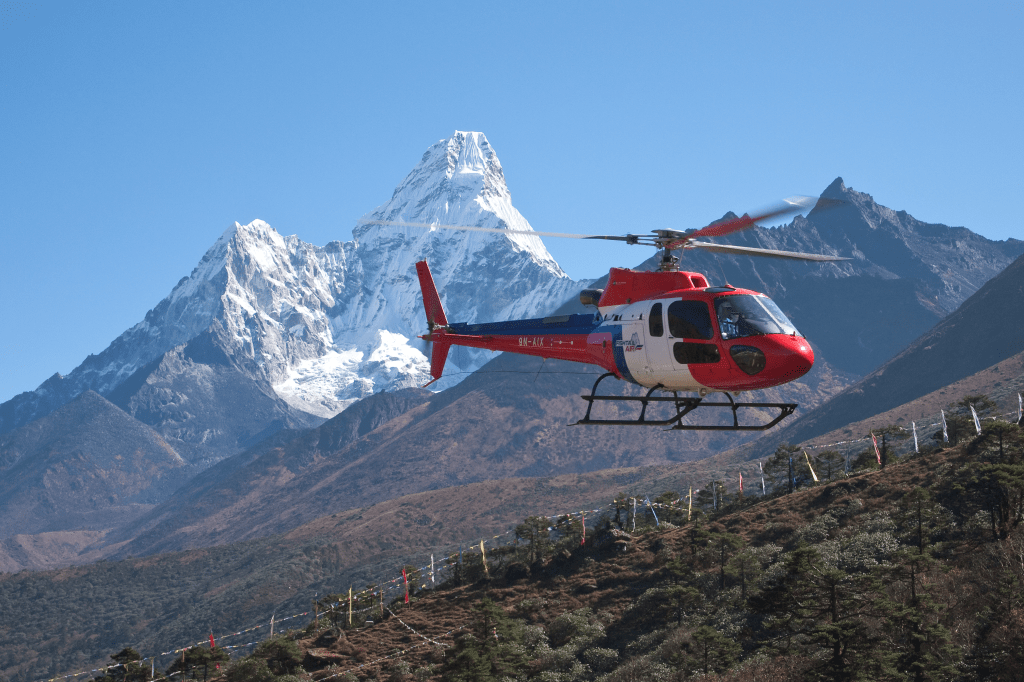
- Alternatives if flights cancel: road + porters/extra trekking days or a helicopter transfer (expensive).
5. Cost Estimates (ballpark, vary by provider & time)
These are estimates and will vary widely by season, operator quality, and personal choices. Always verify.
- Solo, self-organised (budget): ~$800–$1,400 (trail costs only: permits, Lukla flight, teahouse rooms, food).
- Mid-range guided package (shared guide/porter): ~$1,500–$3,000+ per person.
- Premium guided/expedition (private guide, luxury services, helicopter back, top operators): $3,500–$8,000+.
- Lukla flight: ~$170–$300 one way (seasonal & volatile).
- Permits & park fees: often included by operator; individually, expect $50–$150+ overall depending on TIMS and park fee changes.
- Tips: Factor ~$150–$300 for guides/porters tipping (major part of local earnings).
6. Recommended Trekking Companies (examples & what they excel at)
These are examples of commonly used, reputable operators (do your own up-to-date checks & reviews):
- Alpine Ascents / Jagged Globe / International Mountain Guides — Western operators, premium service, strong safety record (higher cost).
- G Adventures / Intrepid — mid-range group operators (good for logistics & reliability).
- Local Nepali agencies (e.g., Adventure Consultants’ Nepali partners, or reputable Kathmandu-based outfits) — more budget friendly; check KPAP/porter welfare standards.
- Helicopter operators — for evacuation or luxury returns (pricey; book in advance if possible).
Ethics note: prefer operators who participate in KPAP (Kilimanjaro example earlier — for Nepal look for fair porter treatment & transparent tipping and insurance policies). Ask operators about porter weight limits, insurance, and COVID/vaccine policies if relevant.
7. The Classic 12-Day Lukla → Everest Base Camp Itinerary (Solo-friendly pacing)
Goal: optimized for acclimatization and EBC success while keeping the schedule realistic for most fit hikers.
Day 0 — Kathmandu (1 night)
- Arrive, collect permits (if solo), check gear, last-minute shopping. Eat, hydrate, sleep early.
Day 1 — Kathmandu → Lukla (flight) → Phakding (2,610 m)
- Lukla flight (weather permitting). Walk to Phakding for a gentle first day; short and easy to start.
Day 2 — Phakding → Namche Bazaar (3,440 m)
- Classic climb up to Tengboche and then Namche Bazaar. First big acclimatization night. Explore markets.
Day 3 — Acclimatization day Namche
- Hike to Khumjung, Everest View Hotel, or hike higher & return. Essential rest & exposure.
Day 4 — Namche → Tengboche (3,860 m)
- Visit Tengboche Monastery, great views of Ama Dablam. Moderate day; monastery cultural highlight.
Day 5 — Tengboche → Dingboche (4,410 m)
- Stepwise ascent into the higher altitude “Khumbu highlands.” Shorter day to aid acclimatization.
Day 6 — Acclimatization day Dingboche
- Hike short ridge (Nangkartshang or Nagarjuna) and return. Critical acclimatization.
Day 7 — Dingboche → Lobuche (4,940 m)
- Steadier ascent into the alpine zone. Lower oxygen, shorter day recommended.
Day 8 — Lobuche → Gorak Shep (5,160 m) → Everest Base Camp (5,364 m)
- Early start. Hike to Gorak Shep, store heavy gear, continue to EBC. Return to Gorak Shep or stay there.
Day 9 — Gorak Shep → Kala Patthar (5,545 m) → Pheriche or descent
- Pre-dawn ascent to Kala Patthar for sunrise views of Everest. Then descend for recovery.
Day 10 — Return: Gorak Shep → Thukla → Pheriche → Tengboche (or longer drop)
- Start descent; faster but cautious; celebrate with local tea.
Day 11 — Tengboche → Namche Bazaar → Lukla (or staged)
- Long descent days but downhill recovery; arrive Lukla.
Day 12 — Lukla → Kathmandu (flight) + buffer day for weather delays
- Fly back to KTM; often include buffer days in plan due to flight cancellations.
Useful Solo tweaks: add extra acclimatization days (Namche, Dingboche) if you’re feeling any altitude symptoms. Solo trekkers should deliberately err on more acclimatization rather than less.
8. Altitude, Acclimatization & Medical Prep
- Acclimatize early & often. Use “climb high, sleep low” principles. Keep your daily gain modest after 3,000 m.
- Recognize AMS (acute mountain sickness): headache, nausea, dizziness, poor sleep. If symptoms persist or worsen, descend immediately.
- Medications: Many trekkers carry acetazolamide (Diamox) to aid acclimatization (consult physician beforehand). Bring analgesics, anti-nausea, and personal meds.
- Oxygen & evacuation: Some guided groups carry oxygen or offer evacuation insurance. Solo trekkers should buy evacuation insurance that covers helicopter evacuation (e.g., World Nomads, Medjet, IMG).
- Fitness prep: aerobic stamina, stair climbing, weighted hikes, and strength training for 8–12 weeks pre-trip.

9. Logistics on the Trail (solo practical advice)
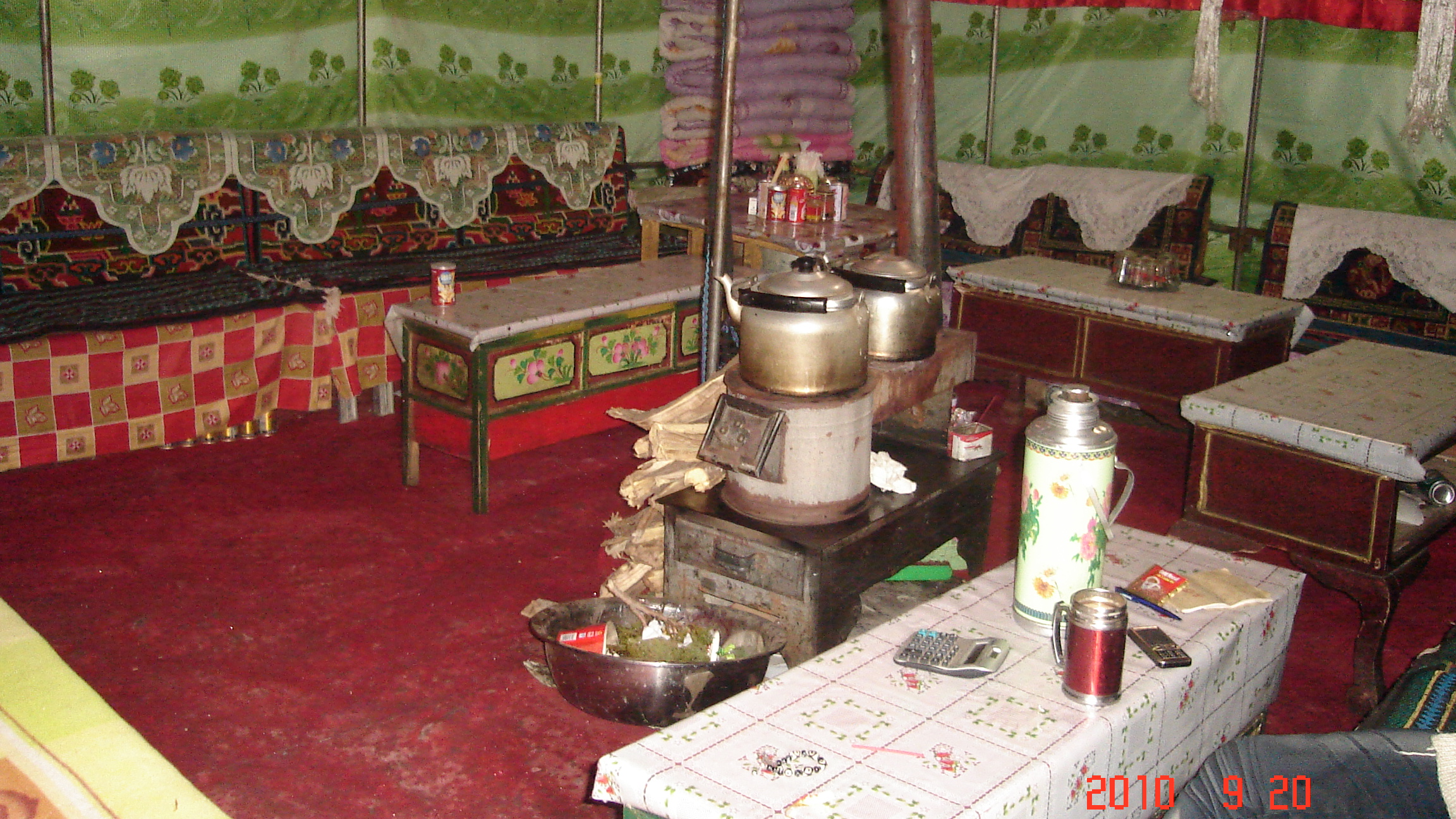
- Tea houses: simple lodges offering meals & rooms; book peak season nights in Namche & Dingboche if possible. Solo travelers can often show up but may face full houses in peak season.
- Food & water: boiled/filtered water and tea are available; use a Steripen/filter or buy boiled water (costly and plastic heavy). Hydrate proactively — dry high altitude = increased fluid needs.
- Charging & comms: Solar/plug charging at lodges (fee). Cellular is patchy; buy a local SIM for Kathmandu and lower valley; consider a satellite communicator for safety.
- Money: Cash (Nepalese Rupee) is king; ATMs in Kathmandu and Namche (limited). Bring adequate cash for tips, tea house bills, and emergencies.
- Packing strategy: Trek light but bring summit-critical warm layers. Use a porter if you want to carry minimal daypack (strongly recommended for most solo trekkers to reduce risk/fatigue).
10. Gear Checklist — Solo Trekker (summit-oriented)
Essentials
- Backpack (35–45L daypack) + duffel for porters (if using)
- Warm insulated jacket (down, hooded)
- Summit shell (windproof/waterproof)
- Warm base & mid layers; thermal underwear
- Hiking boots (broken in) + spare camp shoes
- Gaiters (snow/mud)
- Hat, balaclava, warm gloves (plus liner gloves)
- Headlamp + spare batteries
- Sunglasses (high UV) & sunscreen (high SPF)
- Water treatment (filter or Steripen) & 2–3L bottles / bladder
- Trekking poles
- Lightweight sleeping bag rated to -10°C / 10°F if needed (many tea houses provide blankets)
- Basic first aid & blister kit
- Altitude meds (as prescribed)
Optional / nice to have
- Satellite communicator (Garmin inReach mini 2)
- Microspikes/ traction (early/late season)
- Lightweight crampons (rarely needed on classic route but useful late/early in season)
11. Food, Calories & Tea House Tips
- Expect carb-heavy meals: dal bhat (lentils & rice), noodles, soups, eggs — all calorie-dense and helpful.
- Bring high-calorie snacks (bars, nuts, electrolyte mixes) for summit push.
- Tea houses charge more at higher elevations; plan cash accordingly.
12. Porter & Guide Tipping Etiquette (budget & fairness)
- Tipping is standard & essential — porters and guides rely on tips. Typical guidelines:
- Guides: ~$25–$40/day (or 10–15% of the total trip cost)
- Assistant guides/porters: ~$15–25/day
- Total tip pool often distributed among the team
- Fair treatment: ask operator about porter weight limits, insurance, and sleeping arrangements.
13. Emergency & Evacuation Planning
- Insurance: Evacuation coverage that includes helicopter extraction is critical.
- Heli evacuation: expensive but lifesaving; some operators include standby helicopters (premium); others coordinate on demand.
- Sick/AMS protocol: Recognize early; descend 300–500 m if symptoms appear. If severe, request immediate evacuation.
- Medical facilities: Limited in mountain towns; major care only in Kathmandu.
14. Environmental & Cultural Respect
- Respect local Sherpa culture and religious sites (ask before photography in some places).
- Pack out non-biodegradable trash when possible; many operators now follow Leave No Trace practices.
- Support local economy: buy tea house meals, hire local guides/porters, and tip fairly.
15. Sample Budget (Solo vs. Guided, illustrative)
- Solo (budget)
- Flights (int’l) to Kathmandu: varies widely (not included below)
- Lukla return flights: $170–$300 each way estimate (subject to change)
- Permits & TIMS: $50–$150 total (operator may include)
- Tea houses (meals & rooms): $20–$35/day average (more at higher camps)
- Contingency / buffer: $200–$500 (for weather or flights)
Total (trail only): ~$800–$1,400
- Guided (mid-range)
- Package (7–12 day trek): $1,500–$3,000 (per person) incl. permits, guides, porters, meals on trek, accommodation en route (not international flights)
Total (full service): $2,500–$4,500+ depending on inclusions
- Package (7–12 day trek): $1,500–$3,000 (per person) incl. permits, guides, porters, meals on trek, accommodation en route (not international flights)
16. Final Thoughts (personal & practical)
Everest Base Camp is a journey of contrasts: quiet Himalayan villages, prayer-flag winds, and the immense, indifferent presence of the Himalaya. Doing it solo is absolutely possible and deeply rewarding — it sharpens your self-reliance, slows your travel to human pace, and gives you intimate access to Sherpa culture. That said, altitude is the great equalizer: a small misjudgment can quickly become serious.
If this is your dream hike (and it’s one of mine too), plan conservatively: add extra acclimatization days, insure for evacuation, and be prepared to change plans for safety. If your primary goal is the summit selfie, a premium guided service raises your odds and reduces logistical stress. If your goal is slow, reflective travel with full ownership of your days, solo (with a porter on summit day if you like) is brilliant.
 Trailside Vitals
Leave a comment