Quick facts:
- Height: 5,895 m / 19,341 ft (Kibo summit).
- Location: Northern Tanzania, near Moshi and Arusha.
- National park authority: Tanzania National Parks Authority — TANAPA. Park entry and climbing permits must be processed through a registered operator (TANAPA’s online reservation system is used).
- Check list PDF:

Why Kilimanjaro matters
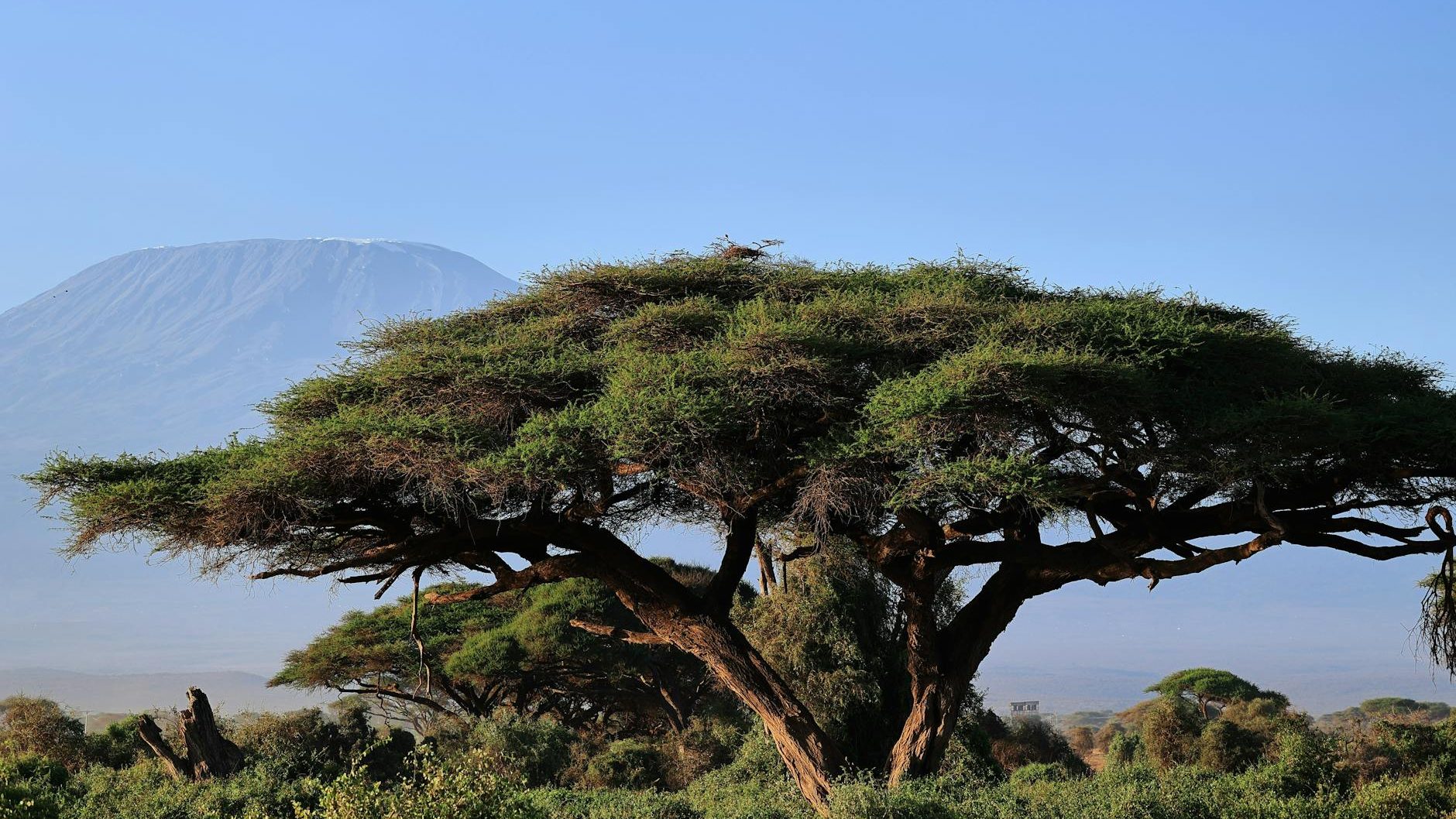
Kilimanjaro is unique: a massive free-standing volcanic massif that rises from near-sea level to almost 6,000 m through five ecological zones (cultivated foothills, rainforest, heath, moorland, alpine desert, and summit ice) — all on a non-technical route. That makes it a rare high-altitude challenge accessible to strong hikers (no ropework or glacier travel is required for the normal routes), and it’s one of the most popular “intro to high altitude” experiences in the world.
1) Best Time to Climb (month-by-month overview)
- January–March: Short dry season. Cooler nights; good visibility; fewer crowds in Jan–Feb.
- April–May: Long rains; most operators suspend or avoid climbs (heavy trails, slippery conditions).
- June–October: Long dry season (peak season July–September). Most stable conditions and highest success; expect crowds in July–August.
- November: Short rains begin toward end of month; shoulder-season tradeoffs.
Recommendation: For highest success and good weather, choose June–early October or late January–early March.
2) Routes — Overview & Comparison
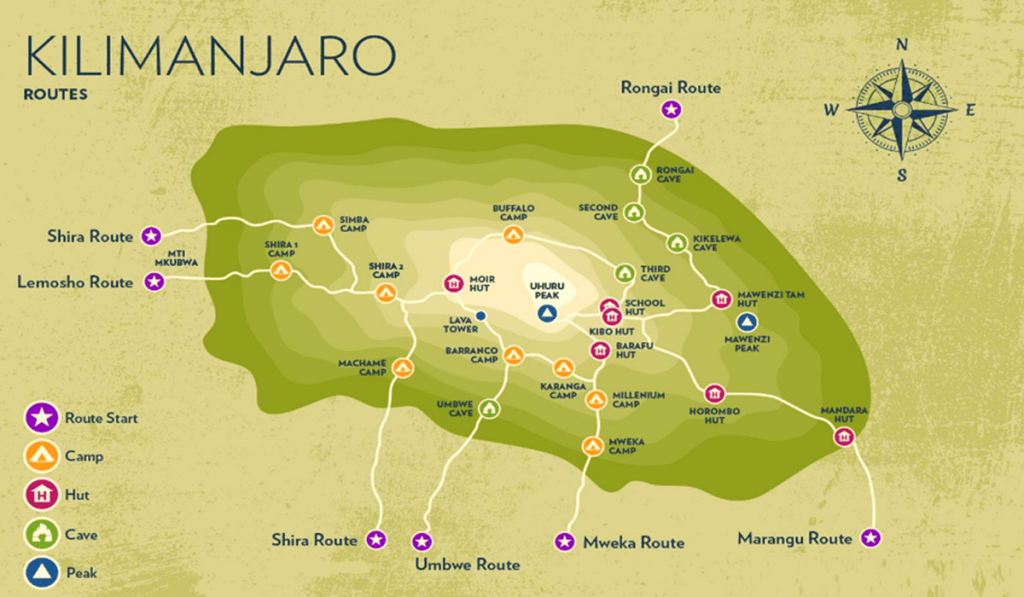
There are seven routes commonly used. Short summaries first, then a compact comparison table.
- Machame (Whiskey Route) — Popular, scenic, good acclimatization when done 7 days. Steep sections such as Barranco Wall and famous for dramatic views. ~6–8 days variants.
- Lemosho — Widely regarded as one of the best balance of scenery, solitude, and acclimatization (7–9 day variants). Begins from the west with scenic approach.
- Marangu (Coca-Cola Route) — Huts (sleep in dormitories). Shorter (5–6 days) and sometimes chosen for comfort; lower success rate because shorter acclimatization.
- Rongai — Approaches from the drier northern side; less crowded; 6–8 days.
- Northern Circuit — The longest and highest-success route (8–10+ days), circles the mountain for the best acclimatization and views.
- Umbwe — Short, steep, and technical in places; for experienced climbers wanting challenge; usually paired with Lemosho or other routes to improve acclimatization.
- Shira — Often combined with Lemosho (Shira Plateau approaches).
Route Comparison
| Route | Typical Days | Difficulty | Scenery | Crowds | Best for |
|---|---|---|---|---|---|
| Machame | 6–8 | Moderate–Hard | Excellent | High | First-timers wanting scenery |
| Lemosho | 7–9 | Moderate | Excellent, quieter | Medium | Photographers & success |
| Marangu | 5–6 | Moderate (short) | Moderate | High | Hut-based comfort seekers |
| Rongai | 6–8 | Moderate | Dry, northern views | Low–Medium | Quieter approach |
| Northern Circuit | 9–10+ | Moderate (long) | Best 360° views | Low | Max acclimatization & success |
| Umbwe | 5–7 | Hard (steep) | Steep, dramatic | Low | Experienced, fast climbers |
(Use longer itineraries if success is a priority — each extra acclimatization day increases summit odds.)
3) Permits, Park Fees & How to Book
Official authority: TANAPA (Tanzania National Parks). All park entry and climbing permits are processed through TANAPA’s online reservation/payment system or via licensed operators. TANAPA publishes tariffs and requires online payment for park fees/reservation in many cases. See TANAPA Tariffs & Reservation details.
Typical permit/fee components (examples — confirm with your operator):
- Park Entry / Conservation fee (TANAPA)
- Camping / hut fees (depending on route, hut nights)
- Rescue & evacuation levies (where applicable)
- Guide & porter fees (charged by operator)
- Value-added tax (VAT) and agency service fees
How to book:
- For most climbers you must book through a licensed operator (local or international). The operator reserves park slots via TANAPA, arranges guides/porters, and pays fees on your behalf.
- TANAPA’s reservation system and operator rules have changed over years—use the official TANAPA site or a reputable operator to confirm exact tariff breakdown and payment instructions.
4) Cost Breakdown — 2025 Estimated Prices (USD)
Important: prices vary by operator, group size, route, inclusions (hotel, meals in Moshi, internal flights/transfers), and currency shifts. Below are realistic 2025 ranges based on operator pages and market surveys.
By budget tier (trail-only / operator-included basics):
- Budget / Local operator: $1,200 – $2,000 per person
- Basic services, often larger group sizes, simpler logistics. (Some deals shown on marketplaces ~ $1,300+) TourRadar
- Mid-range (most common): $2,000 – $3,500 per person
- Good guides, proper porter ratios, better food and service. Many Machame/Lemosho 7–8 day packages fall here. Examples: Machame 7d packages around $2,600–$3,200. Machame tour and Climbing Kilamanjaro tour
- Premium / Western operators: $3,500 – $6,500+ per person
- Smaller groups, Western lead guides, higher porter wages, better equipment, sometimes helicopter standby or luxury lodges pre/post, examples from Ultimate Kilimanjaro and Alpine Ascents fall in $3k–$6k depending on route & group size. Alpine ascents tour company

Typical single-line cost components:
- Park & conservation fees (TANAPA): Operator often bundles; expect ~$800–$1,300 (this varies by route & number of park days) — check TANAPA for exact tariff matrix.
- Lukla equivalent? (Not applicable; Kilimanjaro is road accessible — additional costs are transfers from Kilimanjaro Airport)
- Guide & porter wages: Operators typically include wages; tipping is extra (see tipping section).
- Hotel in Moshi/Arusha (pre & post): $40–$300 per night depending on comfort level.
- International flights: Vary by origin; commonly $800–$1,400 from Europe/US (seasonal).
5) Ethics & Porter Welfare — what to ask your operator
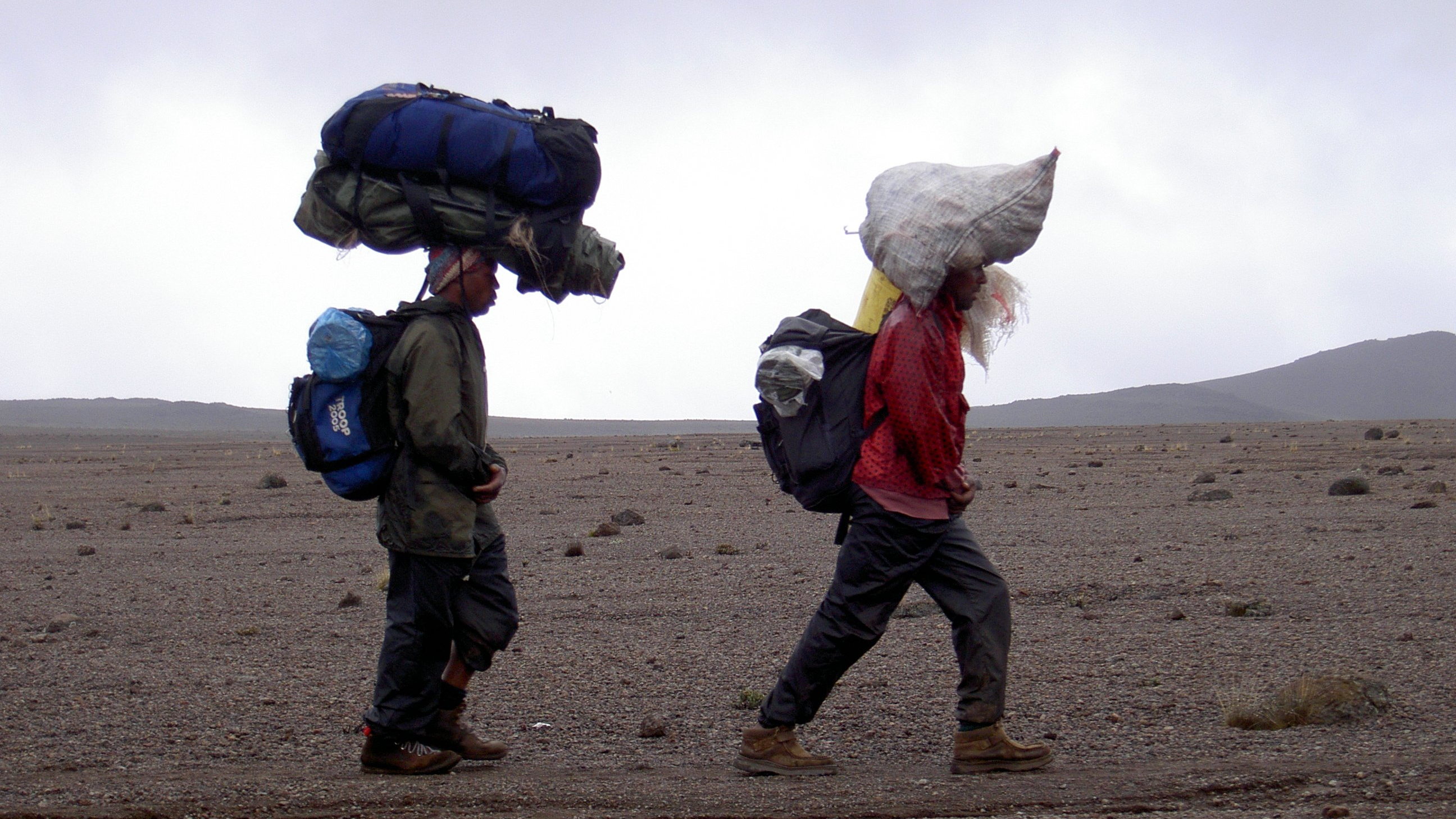
- Ask about porter:client ratios (minimum 1 porter per 2 clients is common; better is 1:1 or 1:2 with assistant guides).
- Ask if porters have medical & accident insurance and limits on carry weight (typical safe limit ~20–25 kg).
- Prefer operators with transparent tipping policies and that follow local welfare standards. If unsure, local trekking associations and reviews can help. (Browse operator sites and recent reviews). Good operators (local or international) often publish their policies.
6) Day-by-Day Sample Itineraries (solo-friendly pacing — but remember guides are mandatory on Kilimanjaro)
Note: Guides are required by Tanzanian law to climb Kilimanjaro. However, itinerary pacing below shows daily mileage and altitude to help you plan. If you want a “solo feel,” book a private guide and small crew.
Machame Route — Typical 7-Day Itinerary (recommended for balance)
- Day 0 — Arrive in Moshi/Arusha. Hotel briefing with operator; confirm gear & permits.
- Day 1: Moshi → Machame Gate → Machame Camp
- Drive to Machame Gate (1,800 m), trek through rainforest to Machame Camp (~2,800 m). 5–7 km, 4–6 hours.
- Day 2: Machame Camp → Shira Camp
- Steep climb out of rainforest to heath/montane and Shira Plateau (~3,500 m). 5–8 hours.
- Day 3: Shira Camp → Barranco Camp
- Cross plateau, approach Barranco Valley; views of Lava Tower en route. 6–8 hours.
- Day 4: Barranco Camp → Karanga Camp
- Famous Barranco Wall scramble; ridge walking to Karanga (~4,000 m). 4–6 hours.
- Day 5: Karanga Camp → Barafu Camp
- Shorter day to Barafu (~4,600 m), prepare for summit. 4–5 hours.
- Day 6: Barafu → Summit (Uhuru Peak) → Mweka Camp
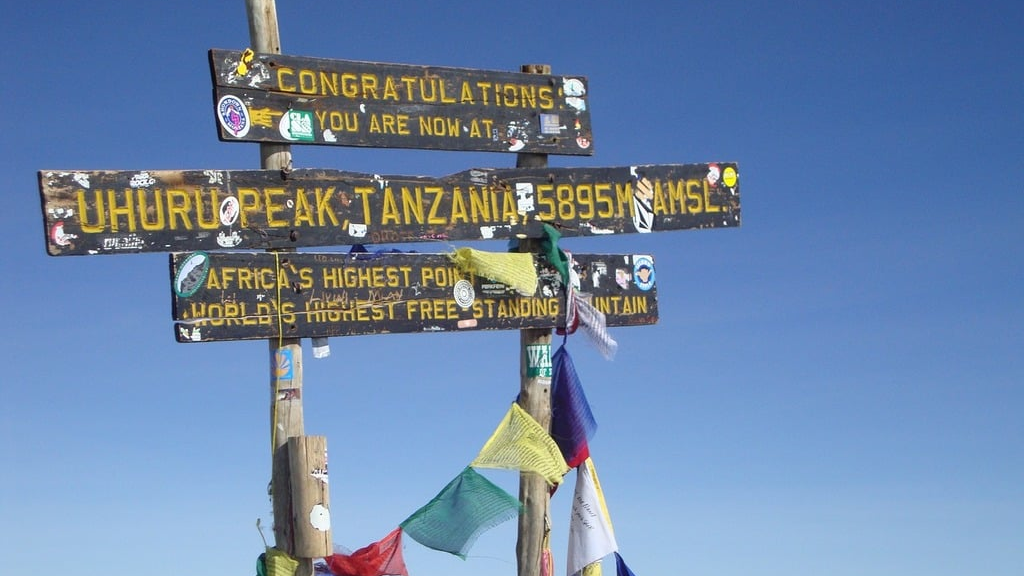
- Summit push (midnight start), reach Uhuru Peak (5,895 m) at dawn via Stella Point; descend to Mweka Camp for recovery. 10–16 hours total (very long day).
- Day 7: Mweka Camp → Mweka Gate → Moshi
- Descend to Mweka Gate (~1,600 m), transfer to Moshi; celebration!
(7-day Machame shown; many operators prefer 7 or 8-day Machame for acclimatization.) machame.com
Lemosho Route — Typical 8-Day Itinerary (photography & success focus)
- Day 1: Londorossi Gate → Mti Mkubwa (approx).
- Day 2: Mti Mkubwa → Shira 1.
- Day 3: Shira 1 → Shira 2.
- Day 4: Shira → Barranco (via Lava Tower)
- Day 5: Barranco → Karanga
- Day 6: Karanga → Barafu
- Day 7: Barafu → Summit → Mweka
- Day 8: Mweka → Mweka Gate → Moshi
Lemosho provides extra acclimatization by approaching on the west and crossing the Shira plateau; success rates are high. climbing-kilimanjaro.com
Marangu Route — Typical 5-6 Day Itinerary (hut-based)
- Day 1: Marangu Gate → Mandara Hut
- Day 2: Mandara → Horombo Hut
- Day 3: Horombo → Kibo Hut (summit prep)
- Day 4: Kibo → Summit → Horombo Hut → descent
Shorter but less acclimatization — success rates lower than longer routes. Huts are dormitory style. africanaturaltours.com
7) Training & Preparation (timeline & exercises)
8–12 weeks pre-trip
- Cardio base: 3–5 runs/hikes per week, long weekend hike with a loaded pack (10–15 kg).
- Stair training: Stairmaster or hill repeats to simulate sustained ascent.
- Strength: Core and leg work (lunges, step-ups, deadlifts) — carry weight efficiently.
- Hike practice: Multiple day hikes at elevation if possible; overnight with proper sleep system.
- Summit simulation: Long night hikes and back-to-back days to prepare for summit push fatigue.
Mental prep: Summit day can be >12 hours with bad weather; practice patience & pacing.
8) Altitude — AMS recognition & prevention
AMS symptoms: Headache, nausea, dizziness, insomnia, anorexia.
Principles: Climb high, sleep low; add rest/acclimatization days; hydrate; avoid alcohol; consider acetazolamide (Diamox) with doctor’s advice. If symptoms progress (severe headache, ataxia, shortness of breath), descend immediately — descending is primary treatment.
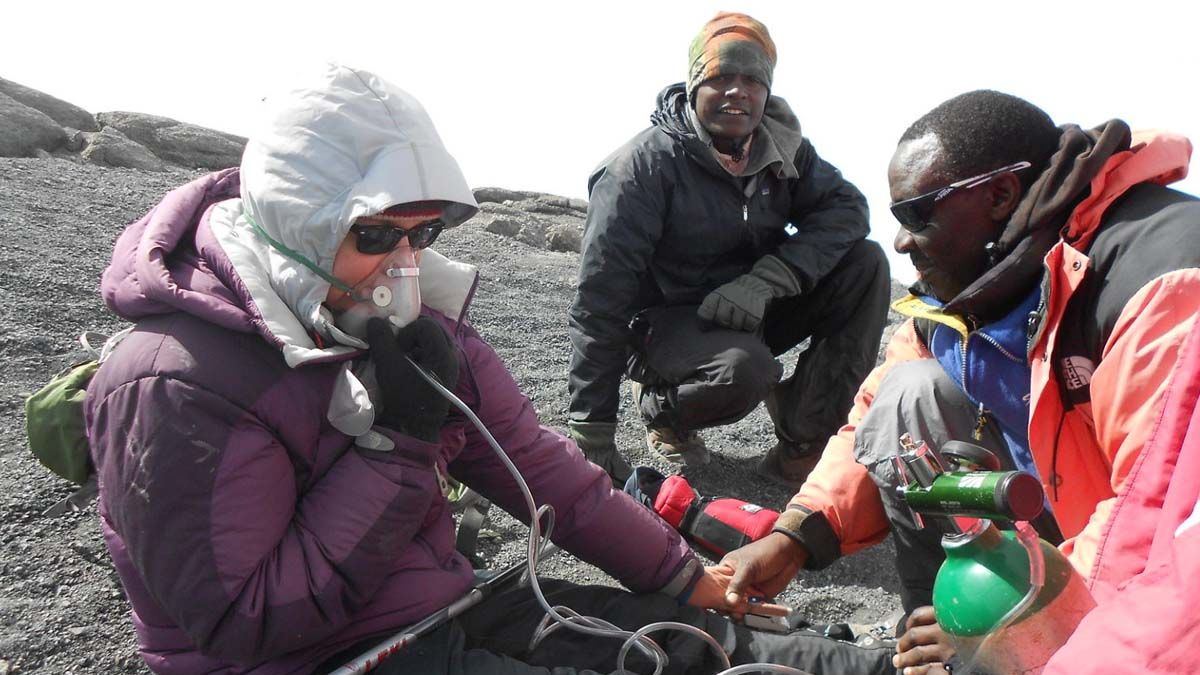
Evacuation & insurance: Purchase emergency evacuation insurance (e.g., Medjet, World Nomads). Helicopter evacuations are possible but expensive; operators sometimes help coordinate.
9) Gear — detailed checklist (zone-by-zone emphasis)
Lower zones (rainforest/heath)
- Light waterproof jacket & pants (breathable)
- Lightweight quick-dry shirts & hiking pants
- Gaiters (mud/roots)
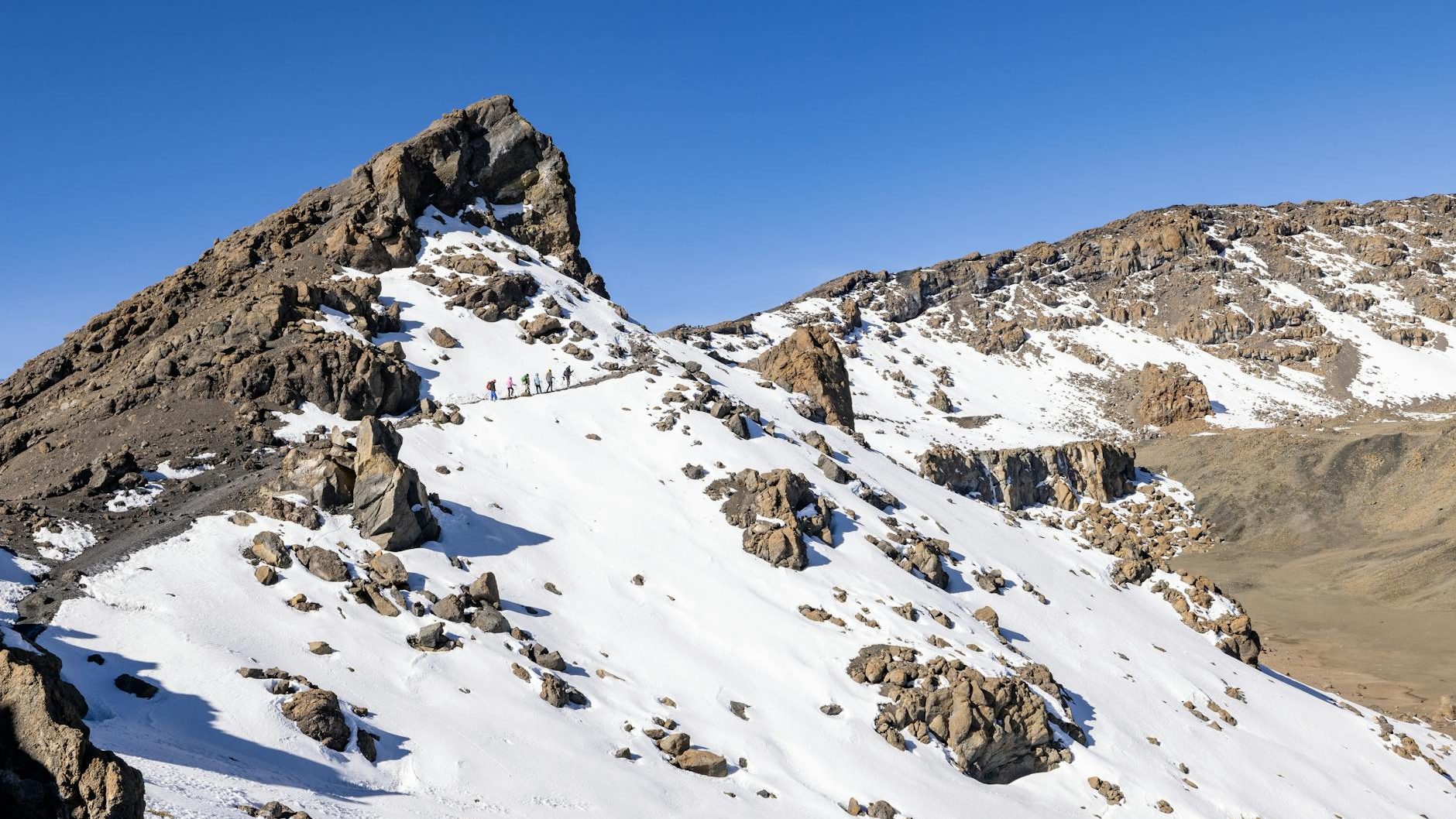
High zones (alpine/desert & summit)
- Insulated down jacket (800 FP preferred)
- Warm insulated pants or fleece pants
- Summit shell (waterproof/breathable, windproof)
- Gloves: liner + insulated glove; extra warm mittens for summit
- Warm hat + balaclava/neck gaiter
- Warm sleeping bag (rated to −10°C/14°F or better if unsettled)
- Lightweight crampons / microspikes (occasionally needed off-route)
- Headlamp with spare batteries
- Sunglasses (high UV) + high SPF 50 sunscreen (UV intensifies with altitude)
- Water purification tablets or filter (boiled water typically available)
- Daypack (20–30 L) for summit day + duffel for porters
Footwear: Break-in mountaineering boots (insulated for summit comfort) and camp shoes.
Electronics: Power banks (solar panels are unreliable in cloud); charging at some camps (fee).
10) Food & Hydration
Operators provide cooked meals (breakfast, lunch, dinner). Hydration is crucial — aim for 3–4 L/day (more at altitude). Electrolyte mixes help. Bring favorite energy snacks (bars, nuts).
11) Tipping & Local Costs
- Guides: $20–$40 per day per guide (depending on operator level).
- Assistant/Porters: $10–$25/day per porter.
- Typical total tip per climber: $200–$350 overall (split among team).
Tipping is a major part of the local income for the mountain crew — budget accordingly.
12) Recommended Operators & 2025 Price Examples (selection)
Note: These are representative operator examples across budget/premium tiers. Check current availability & inclusions (flight/hotel, transfers, trekking kit).
- Ultimate Kilimanjaro — premium operator: 7d Lemosho $2,899–$4,559 (varies by group size & private climb pricing). Ultimate Kilimanjaro
- Alpine Ascents — Western guide operator, premium standards (safety-focused; higher end). alpineascents.com
- Climbing-Kilimanjaro.com / local operators — mid-range options with Machame 7d around $2,600–$3,200. climbing-kilimanjaro.commachame.com
- Budget marketplace packages (TourRadar and others) range lower ($1,200–$1,800) for group departures but check porter policies & included fees. TourRadar
13) Health, Vaccination & Visa Notes (travel prep)
- Vaccinations: Check CDC & travel clinic for routine vaccinations; Yellow Fever vaccination required if arriving from an endemic country. Proof of vaccination may be requested.
- Malaria: Not required at Kilimanjaro altitudes, but may be advised for coastal/lowland Tanzania portions.
- Visa: Most nationalities require a Tanzania visa; e-visa available online. Check Tanzanian embassy guidance.
14) Post-Climb Considerations
- Celebrate in Moshi (local Chagga cuisine).
- Rest one or two days before international flights if possible.
- Consider a safari (Serengeti, Ngorongoro) or beach recovery on Zanzibar — separate article recommended.
15) Final Thoughts & Practical Advice
Kilimanjaro is accessible in the sense that it doesn’t require ropes, crampons, or glacier travel on normal routes — but it’s serious high-altitude exposure. Success is less about ultrafitness and more about pacing, patience, and acclimatization. Choose a route that gives you time to acclimatize (Lemosho or Northern Circuit if you can) and an operator who prioritizes safety and fair treatment of crew. Budget realistically (mid-range operators around $2k–$3.5k offer the best value-to-safety ratio) and ensure you have evacuation insurance.
If Kilimanjaro is on your bucket list, treat it like a training block: plan 8–12 weeks of target conditioning (stairs and loaded hikes), get comfortable with altitude symptoms, and pick a route and operator that match your priorities (scenery vs time vs budget vs solitude). The sunrise at Uhuru Peak is a life-changing moment for many — with the right preparation and expectations, it can be yours.
 Trailside Vitals
Leave a comment