1. Introduction
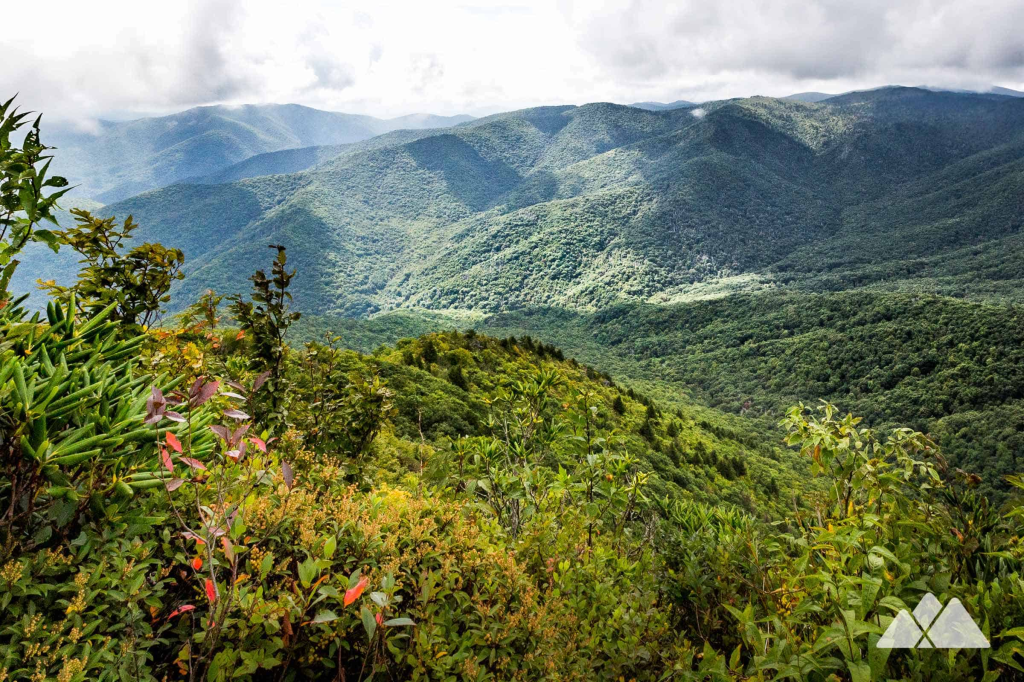
Stretching across the rugged Pisgah National Forest of western North Carolina, the Art Loeb Trail is one of the most iconic long-distance hikes in the southeastern United States. At just over 30 miles, it’s a challenging but manageable trek that takes hikers over exposed Appalachian balds, knife-edge ridgelines, dense rhododendron tunnels, and past some of the highest peaks in the East.
Named after Art Loeb, an avid outdoorsman who cherished these mountains, the trail connects Davidson River Campground near Brevard to the Daniel Boone Boy Scout Camp near Cold Mountain. Its combination of southern highlands scenery, accessibility, and difficulty has made it a rite of passage for serious hikers in the Southeast.

If you’ve ever dreamed of experiencing the Appalachian Mountains in their rawest form — with sweeping views, star-filled nights, and enough elevation gain to humble your legs — the Art Loeb Trail deserves a spot on your adventure list.
2. Trail Overview
| Feature | Details |
|---|---|
| Distance | 30.1 miles (point-to-point) |
| Elevation Gain | ~8,000 feet total |
| Difficulty | Strenuous (steep climbs, exposed ridges, rugged footing) |
| Typical Duration | 3–5 days backpacking, or a brutal 1-day ultra run |
| Highest Point | Black Balsam Knob (6,214 ft) |
| Best Direction | South → North (Davidson River → Daniel Boone Camp) for more gradual climbs and a dramatic Cold Mountain finale |
3. Best Time to Hike
- Late April – June: Spring wildflowers, cool temps, but high chance of rain and storms.
- July – August: Warmest weather, long daylight, but hot/humid in valleys and afternoon thunderstorms are common.
- September – October: Best season — crisp days, low humidity, brilliant fall foliage. Nights can be chilly.
- November – March: Quiet and peaceful, but expect ice, snow at higher elevations, and limited daylight.
4. Permits & Regulations
- No general permit required to hike or camp along the trail.
- Group size limit: 10 people (Pisgah National Forest rule).
- Leave No Trace principles are strictly enforced; pack out all trash.
- Campfires: Allowed in most areas, but discouraged above 6,000 ft where wood is scarce.
- Bear safety: Black bears are active. A bear canister or hang system is strongly recommended.
5. Getting There
- Southern Terminus: Davidson River Campground (near Brevard, NC). Parking available at Pisgah Ranger Station.
- Northern Terminus: Daniel Boone Boy Scout Camp (near Canton, NC). Parking is limited and sometimes restricted — many hikers arrange shuttles.
- Nearest Airports: Asheville Regional Airport (40 min), Greenville-Spartanburg (1.5 hrs), Charlotte Douglas (2.5 hrs).
- Shuttle Services: Local outfitters in Brevard and Asheville offer point-to-point shuttles for thru-hikers.

6. Trail Highlights
- Black Balsam Knob & Tennent Mountain: Expansive 360° views from iconic Appalachian balds.
- Shining Rock Wilderness: Quartzite rock formations that gleam white in sunlight, giving the wilderness its name.
- Cold Mountain: The northern terminus of the trail, made famous by the novel and film.
- Pilot Mountain: A steep, exposed climb with dramatic panoramas of Pisgah.
- Blue Ridge Parkway crossings: Scenic road intersections with sweeping views and possible resupply points.
7. Suggested Itineraries
3-Day Classic Thru-Hike
- Day 1: Davidson River → Deep Gap Shelter (12.3 mi)
- Day 2: Deep Gap → Shining Rock Gap (9 mi)
- Day 3: Shining Rock Gap → Daniel Boone Camp (8.8 mi, includes Cold Mountain option)

4-Day Balanced Pace
- Day 1: Davidson River → Butter Gap (8.2 mi)
- Day 2: Butter Gap → Deep Gap (8.1 mi)
- Day 3: Deep Gap → Shining Rock Gap (7.2 mi)
- Day 4: Shining Rock Gap → Daniel Boone Camp (6.6 mi, Cold Mountain detour optional)
1-Day Ultra Run (Not for most)
- Start pre-dawn at Davidson River and push to Daniel Boone Camp. Elite runners complete the trail in 8–12 hrs, but it’s a grueling test.
8. Camping & Gear
- Campsites: Primitive campsites and established clearings along the trail. First-come, first-served.
- Shelters: A few lean-tos exist, notably at Deep Gap, but most hikers tent or hammock camp.
- Water: Streams are frequent but must be filtered or treated. Carry extra on exposed balds.
- Gear Must-Haves:
- Sturdy boots (trail can be rooty, rocky, and muddy)
- Rain gear (Pisgah is one of the wettest regions in the East)
- Bear-proof food storage
- Warm layer, even in summer (high ridges can dip into the 40s)

9. Costs
| Expense | Low End | High End |
|---|---|---|
| Parking (per vehicle) | Free–$5/day | $5/day |
| Shuttle service | $50 | $120 |
| Camping permits | Free | Free |
| Lodging before/after | $60 | $180 |
10. Final Thoughts
The Art Loeb Trail is more than just a regional hike — it’s a proving ground. Short enough for a long weekend but tough enough to rival sections of the Appalachian Trail, it rewards determination with endless views, starry nights, and a deeper appreciation for North Carolina’s high country. Whether you’re chasing miles, solitude, or the summit of Cold Mountain, this trail captures the very essence of Appalachian backpacking.
 Trailside Vitals
Leave a comment