1) Overview — Hiking the Spine of Catalina
Just 26 miles off the coast of Los Angeles, Catalina Island feels like a world apart. The Trans-Catalina Trail (TCT) is the island’s defining long-distance route — roughly 38–40 miles of coastal cliffs, rolling grasslands, oak-lined canyons, and pine-clad high country that runs from Two Harbors to Avalon.
This is not your typical Southern California beach stroll. The TCT is exposed, rugged, and surprisingly wild. You’ll carry significant water, climb steep ridgelines, camp on wind-scoured beaches, and finish beneath palm trees in a seaside town that feels more Mediterranean than Californian. Over three to four days, you experience a dramatic ecological gradient — from salt spray and bluffs to interior pine forests — all without ever stepping foot on the mainland.
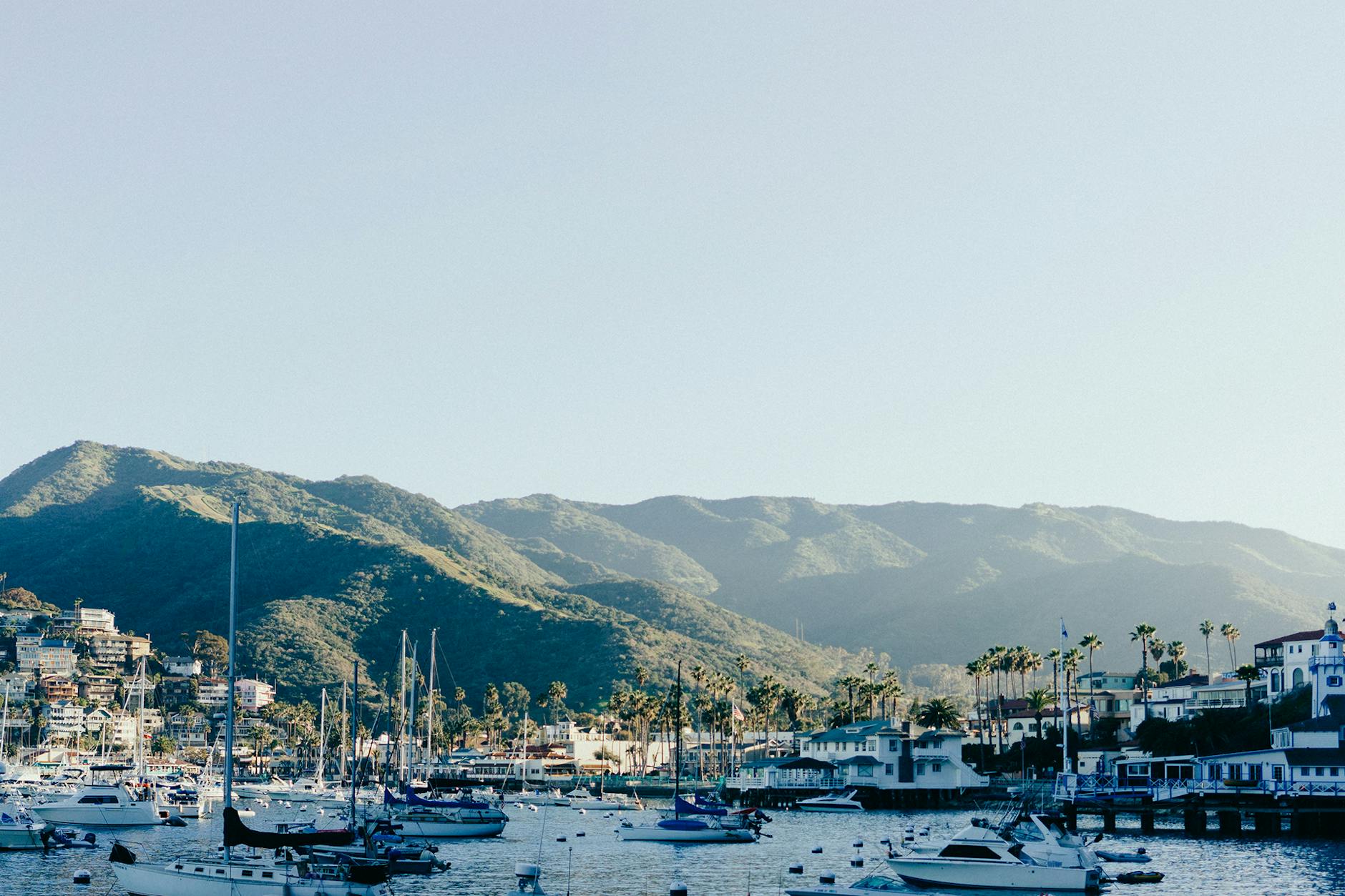
Most hikers complete the trail southbound (Two Harbors → Avalon), which flows naturally with ferry logistics, gradually builds toward the island’s most forested terrain, and ends with a satisfying descent into civilization.
What to expect on the Trans-Catalina Trail:
- Long stretches of sun exposure with limited shade
- Steep coastal climbs and technical descents
- Designated backcountry camps with basic amenities
- Reliable water only at select points
- A true sense of remoteness — despite being close to LA
2) Getting There, Permits, and Logistics (The Big Picture)
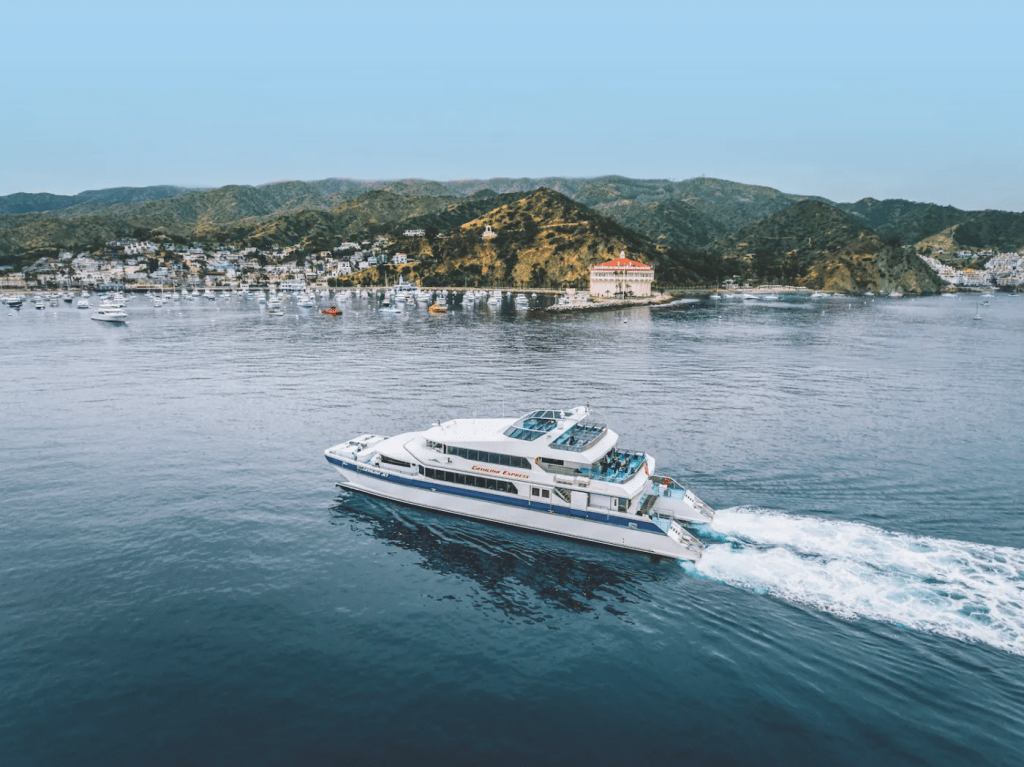
Most hikers reach Catalina by Catalina Express ferry from San Pedro, Long Beach, or Dana Point. The crossing itself sets the tone — cold ocean air, seabirds, and often dolphins slicing through the wake. Arriving in Two Harbors, you immediately feel the island’s frontier character: dusty roads, sailboats in the harbor, and a laid-back, remote vibe that contrasts sharply with Avalon’s resort polish.
Backpacking on Catalina requires a Catalina Conservancy permit, and all campsites must be reserved in advance. Water planning is critical — you’ll need to carry enough to reach the next reliable source, and many stretches have no shade.
3) Stage-by-Stage Journey Across Catalina
Stage 1 — Two Harbors → Parsons Landing (7.5 miles) — The Wild Coast
Character: Exposed, dramatic, and remote
Terrain: Rolling coastal ridges, cliff edges, steep descent to the beach
Leaving Two Harbors, the trail quickly sheds any lingering sense of civilization. You climb along open ridgelines where the Pacific dominates every view. The wind is constant, the air is salty, and the landscape is quintessential Catalina — golden grasses, low chaparral, scattered prickly pear, and the occasional twisted oak clinging to dry ravines.
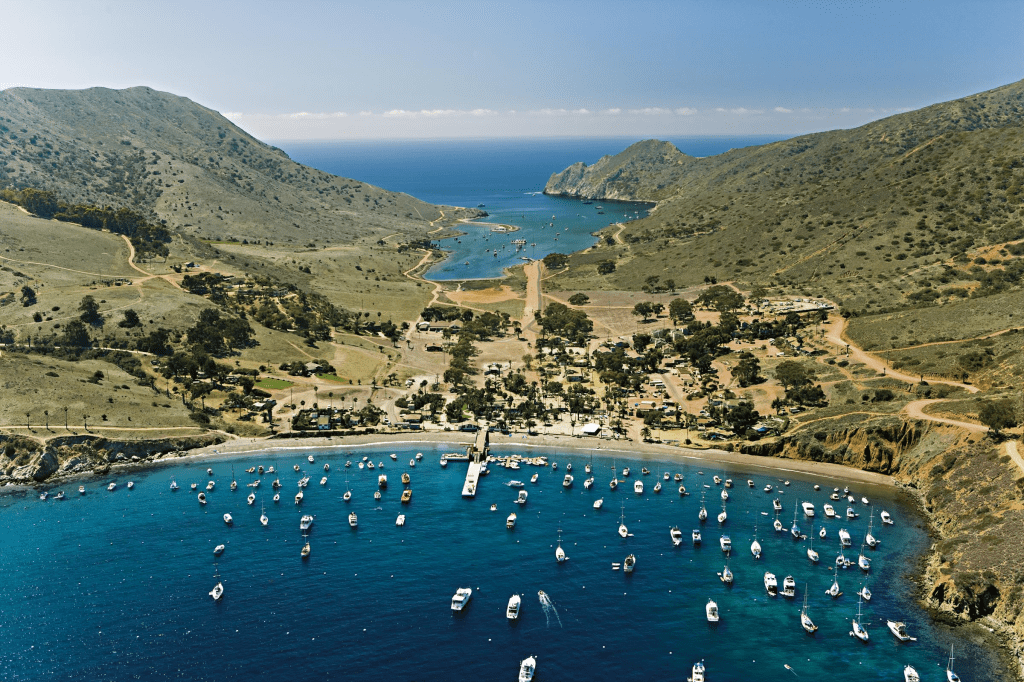
As you move west, the harbor disappears behind you and the soundscape becomes wind and surf. The path traces cliff tops that drop hundreds of feet into turquoise water, offering expansive vistas that make the effort feel cinematic rather than merely physical. In late afternoon, the hills glow amber, and the entire coastline takes on a painterly quality.
The final descent into Parsons Landing is steep, rocky, and unforgettable. The trail plunges sharply toward a crescent of dark sand framed by towering cliffs — one of the most rugged backcountry beaches in Southern California.
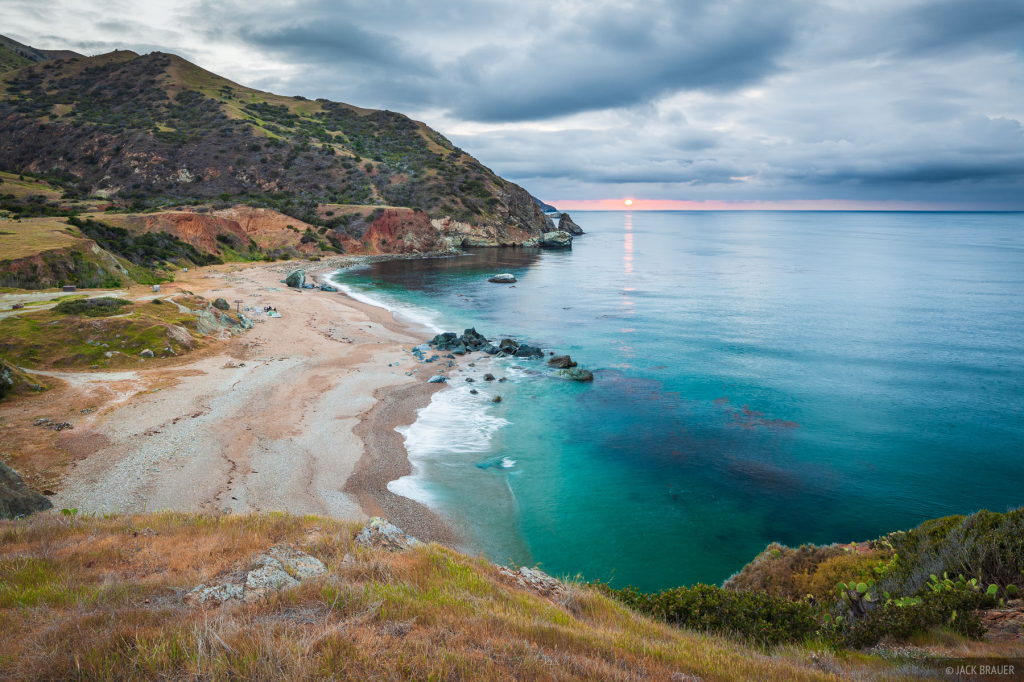
Parsons Landing Camp — What it’s really like to stay here
Parsons Landing feels raw in a way few camps in California do. There are no comforts, only solitude, surf, and wind.
- Camps are set back from the beach among low dunes and scrub
- No potable water — everything must be carried in – although water can be purchased and delivered ahead of time with your reservation
- Facilities are minimal: basic restrooms and simple picnic tables
- Nights can be blustery, with waves pounding all night
This is a true “edge of the world” campsite — wild, atmospheric, and deeply memorable.
Stage 2 — Parsons Landing → Two Harbors → Little Harbor (~12 miles total) — Beach to Beach
The morning begins with a demanding climb out of Parsons Landing. It’s a slow burn, but as you gain elevation, you’re rewarded with sweeping views back toward the landing and out across the Pacific. On clear days, the California mainland shimmers faintly on the horizon.
As the trail trends east, you pass through open grasslands where Catalina’s iconic bison are often spotted grazing. These massive, unexpected animals are a surreal reminder that you are hiking somewhere truly unique.
Re-entering Two Harbors, the salty air, clinking masts, and low-key harbor energy return. It’s a perfect midday reset — bathrooms, shaded seating, and the chance to refuel before pushing south.
From Two Harbors, the trail swings back toward the coast. The terrain softens into sandy washes and low bluffs before descending again toward the water.
Little Harbor Camp — The hiker’s favorite
Little Harbor is widely regarded as the best campsite on the TCT — and it earns the reputation.
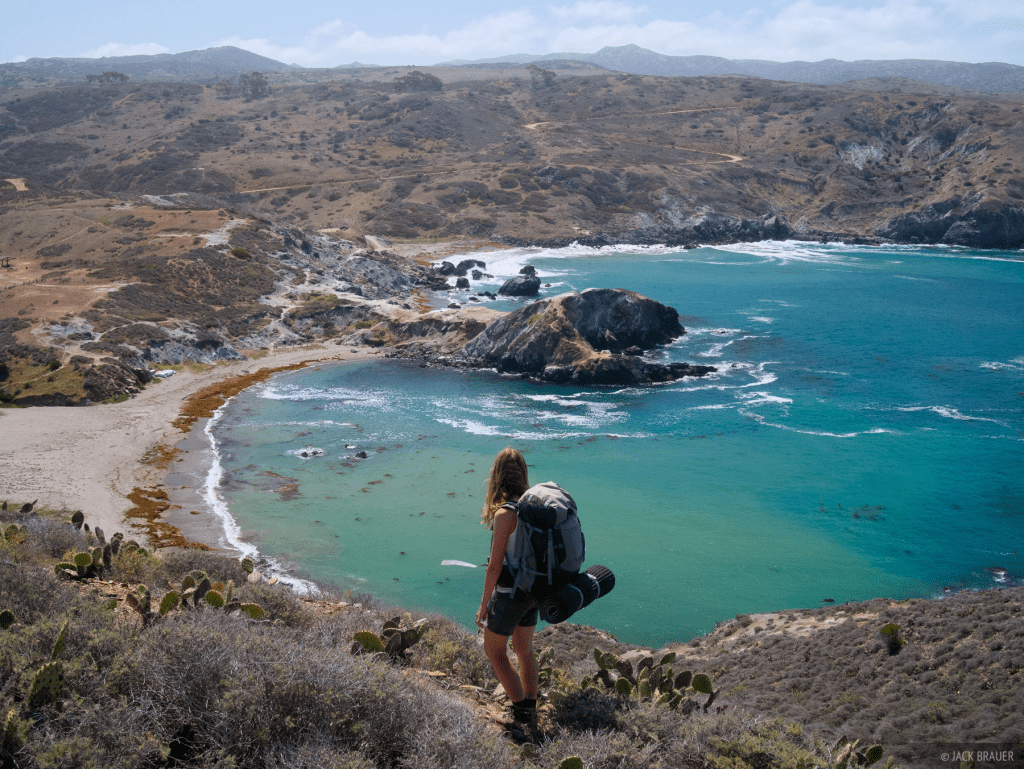
- Beachfront camps with ocean views
- Potable water and showers (a luxury on trail)
- Firewood available in season
- Wide, swimmable beach and incredible sunsets
Wildlife is common here. Deer frequently wander through camp, foxes make nocturnal appearances, and the cliffs light up in pastel hues at dusk. After a long day, it’s the kind of place that invites you to slow down and simply watch the ocean.
Stage 3 — Little Harbor → Airport in the Sky → Black Jack (~8.5 miles) — Coast to Pines
This stage marks a distinct shift from maritime to interior landscape. Leaving Little Harbor, the trail climbs steadily away from the coast into drier, more expansive terrain. The views stretch wide across rolling hills, deep canyons, and distant ridgelines.
Reaching Airport in the Sky is a strange but welcome contrast to the wilderness you’ve been traveling through. Perched high above the island, this small airstrip includes restrooms, shaded seating, and — most importantly — water. It’s an ideal midday break before heading deeper into Catalina’s high country.
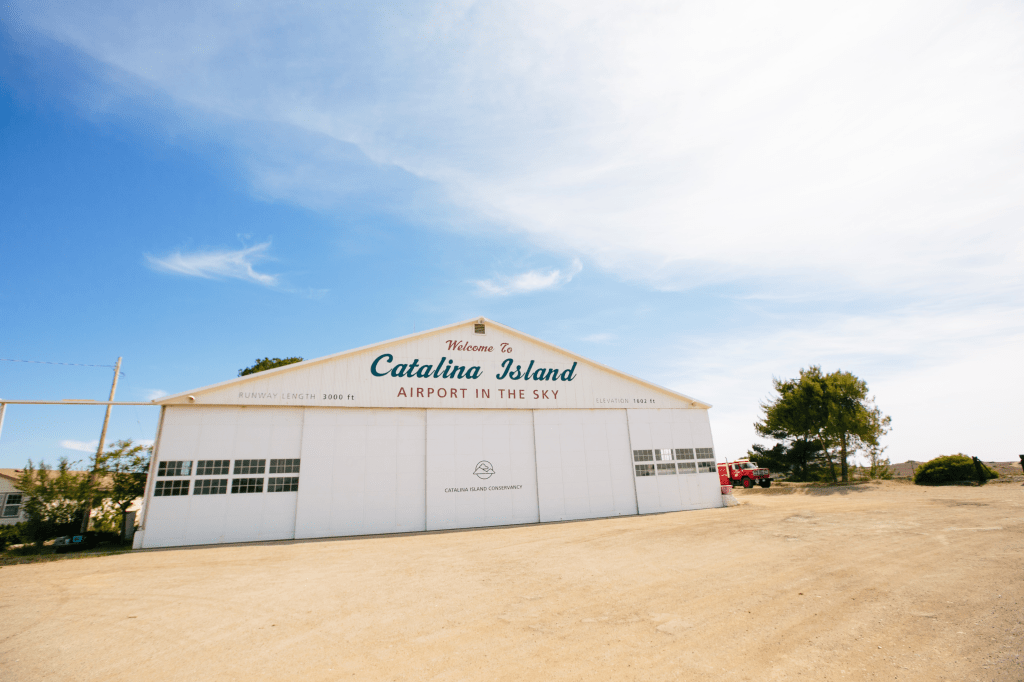
From the airport, the short hike to Black Jack Camp feels noticeably different. The trail enters a pine forest, the air cools, and the ground becomes softer underfoot. After two days of sun-baked coastal hiking, this stretch feels refreshingly alpine.
Black Jack Camp — Catalina’s mountain refuge
Black Jack is the most “classic” campground on the island.
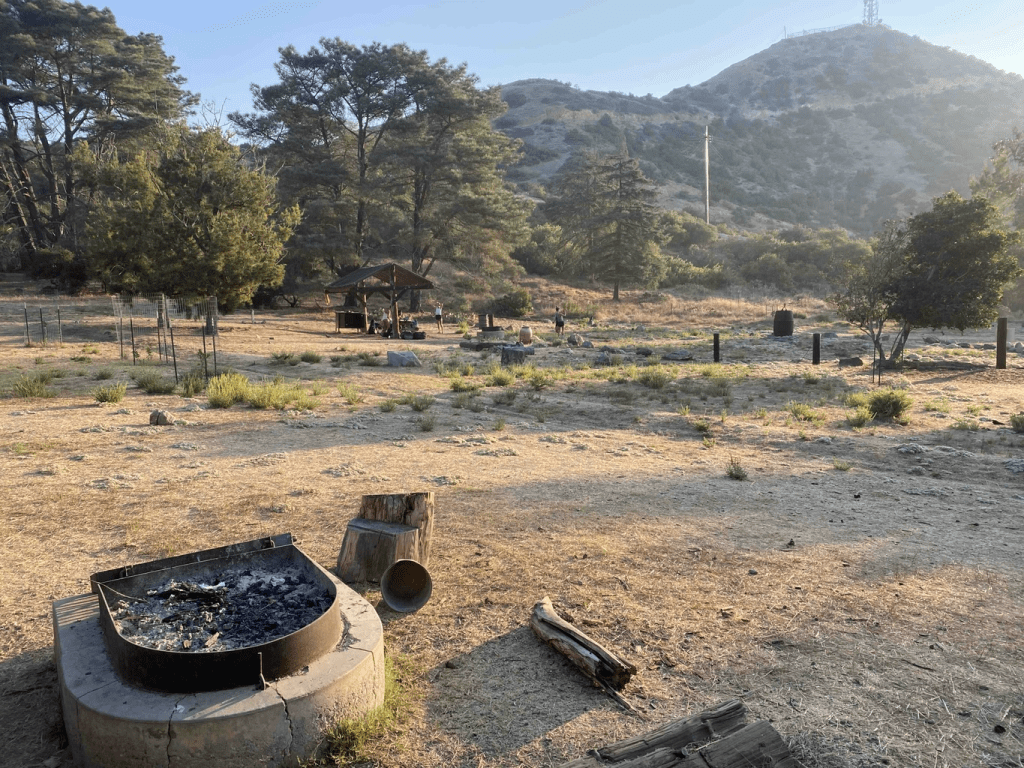
- Shaded sites beneath tall pines
- Potable water and showers available
- Picnic tables and fire rings
- Cooler temperatures and quieter nights
Many hikers take an optional sunset walk up Black Jack Mountain, a short out-and-back that delivers panoramic views across Catalina’s spine.
Stage 4 — Black Jack → Avalon (10–11 miles) — The Grand Finish
Your final day is long, but it showcases the full spectrum of Catalina’s landscapes. The trail undulates along ridgelines with sweeping views that stretch from interior hills to the distant ocean. You pass through a mosaic of pine forest, chaparral, and open grassland, gradually trending east.
Midway through the day, you reach Haypress Recreation Area, a well-timed rest stop with bathrooms, shade, and picnic tables. From here, the character of the trail begins to change — you’ll start seeing more day hikers, mountain bikers, and maintained paths.
The descent toward Avalon is gradual but unmistakable. Palm trees appear, tiled rooftops glint in the sun, and sailboats dot the harbor below. Eventually, you walk straight into town — dusty boots, tired legs, and a deep sense of accomplishment.
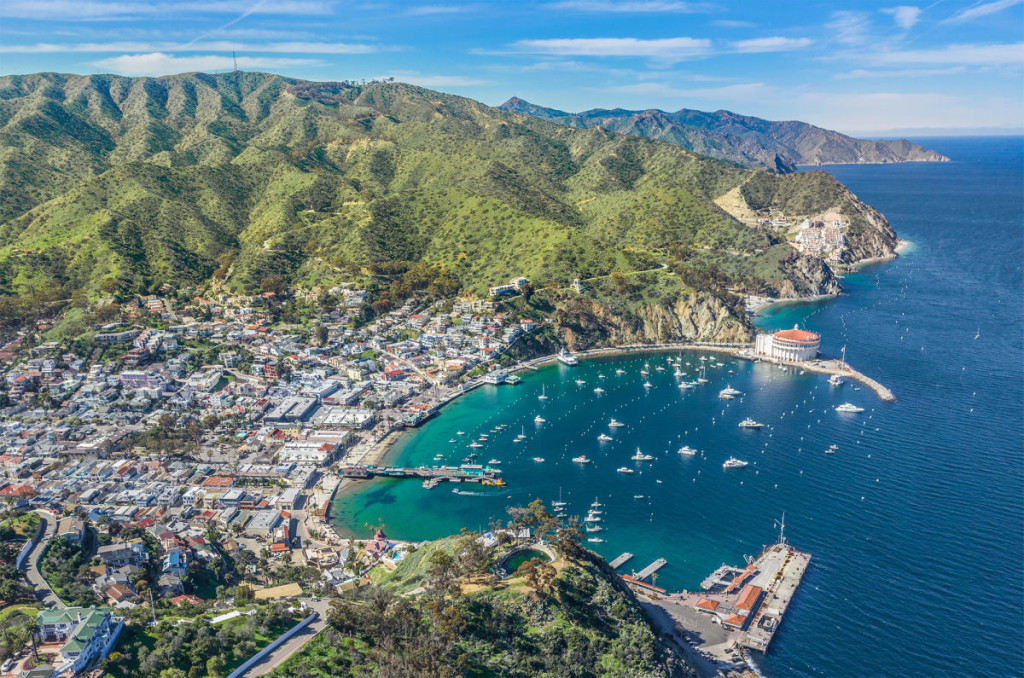
Avalon — From backcountry to Mediterranean harbor
Avalon is the perfect contrast to the wild days you just spent.
- Cafés, restaurants, and ice cream shops line the waterfront
- The historic Avalon Casino (a theater, not a gambling hall) dominates the skyline
- Boat tours, snorkeling, and kayaking are readily available
- Hot showers and real beds feel like pure luxury
Finishing here makes the journey feel complete — you’ve crossed the island on foot and emerged into a vibrant seaside town.
4) What to Pack — Catalina-Specific Essentials
Non-negotiables
- 3–5 liters of water capacity
- Sun protection: hat, sunscreen, lightweight long sleeves
- Headlamp (arrivals near dusk are common)
- Wind-resistant tent
- Trekking poles for steep descents
- Electrolytes and salty snacks
Nice-to-haves
- Sand-friendly footwear for beach camps
- Lightweight camp chair for Little Harbor sunsets
- Quick-dry towel for showers at Little Harbor and Black Jack
5) Costs — What this trip typically adds up to
- Ferry (round-trip): ~$80–$120
- Backcountry permits & camps: ~$34 per night/person
- Food & supplies: ~$60–$120
- Avalon hotel (optional): ~$90-$300+ depending on season and selection
Most backpackers spend $300–$900 for the full trip (excluding flights to Southern California).
6) Final Thoughts — Why the Trans-Catalina Trail matters
The Trans-Catalina Trail is a rare blend of accessibility and true wilderness. In just a few days, you experience:
- Rugged coastal backpacking
- Remote backcountry beaches
- Rolling island ridgelines
- Cool pine forests in Catalina’s interior
- A dramatic finish in a charming harbor town
For busy professionals who want a legitimate multi-day adventure without weeks of planning or a long road trip, Catalina delivers something special — a compact, immersive, deeply scenic thru-hike that feels far wilder than its proximity to Los Angeles suggests.
 Trailside Vitals
Leave a comment